
Is a South Africa Safari Safe? The Honest Answer for First-Time Visitors
Is a South Africa Safari Safe?
Yes — a South Africa safari is safe for the vast majority of international visitors. South Africa’s private game reserves and national parks operate under rigorous safety protocols, and the safari industry has a multi-decade track record of hosting millions of international tourists without significant incident. The risks that do exist — wildlife encounters, malaria in certain areas, petty crime in cities — are manageable with straightforward precautions. South Africa’s reputation for urban crime does not apply to safari destinations, which are remote, private, and among the most professionally managed environments in the country.
Wildlife Safety: Are the Animals Dangerous?
African wildlife is exactly that—wild. While encounters are exciting, following your guide’s instructions ensures your safari remains both safe and unforgettable. The safety record of South Africa’s private reserves and SANParks is excellent because strict protocols govern every wildlife interaction:
- In private reserves (Sabi Sands, Timbavati, Madikwe etc.): all game drives are in open 4×4 vehicles with FGASA-accredited rangers who carry firearms and have undergone years of wildlife safety training. Guides maintain safe distances from potentially dangerous animals (buffalo, elephant, hippo, lion) and read animal behaviour continuously. Guests must follow ranger instructions at all times. Fatal incidents in this context are extremely rare.
- On self-drive in Kruger National Park: guests remain in their vehicles at all times (except at designated rest camps and picnic sites). The rules are strict and well-enforced. Self-drive Kruger has an excellent safety record when rules are observed.
- On guided bush walks: armed, qualified guides lead all walks; risk is actively managed through animal awareness techniques, wind reading, and emergency protocols.
The single most common cause of safari-related injury is not wildlife — it is road accidents on the drive to and from the reserve. Travel with a reputable operator who uses professional drivers.
Is Malaria a Risk in South Africa?
Malaria is present in a low-risk zone in northeastern South Africa — specifically the Limpopo and Mpumalanga Lowveld, which includes Kruger National Park, Sabi Sands, Timbavati, and other Greater Kruger reserves. Risk is classified as low to moderate, seasonal, and significantly lower than in East Africa (Kenya, Tanzania) or Central Africa.
Practical guidance:
- Prophylaxis (typically atovaquone/proguanil or doxycycline) is recommended for Kruger and Sabi Sands visits
- Risk is highest in the wet summer months (November–April) and lowest in winter (June–August)
- Standard precautions — long sleeves at dusk, mosquito repellent, net in rooms — significantly reduce risk
- Malaria-free alternatives: Madikwe, Pilanesberg, Welgevonden, Eastern Cape reserves — all offer Big Five wildlife with zero malaria risk
Thousands of international travellers visit Sabi Sands and Kruger safely every year by following standard malaria precautions.
Is South Africa Safe for Tourists? What About Crime?
South Africa has a well-documented urban crime problem concentrated in specific city areas — Johannesburg’s CBD, certain Cape Town suburbs at night, and similar. This is the context behind South Africa’s crime statistics. It does not apply to safari travel in the same way:
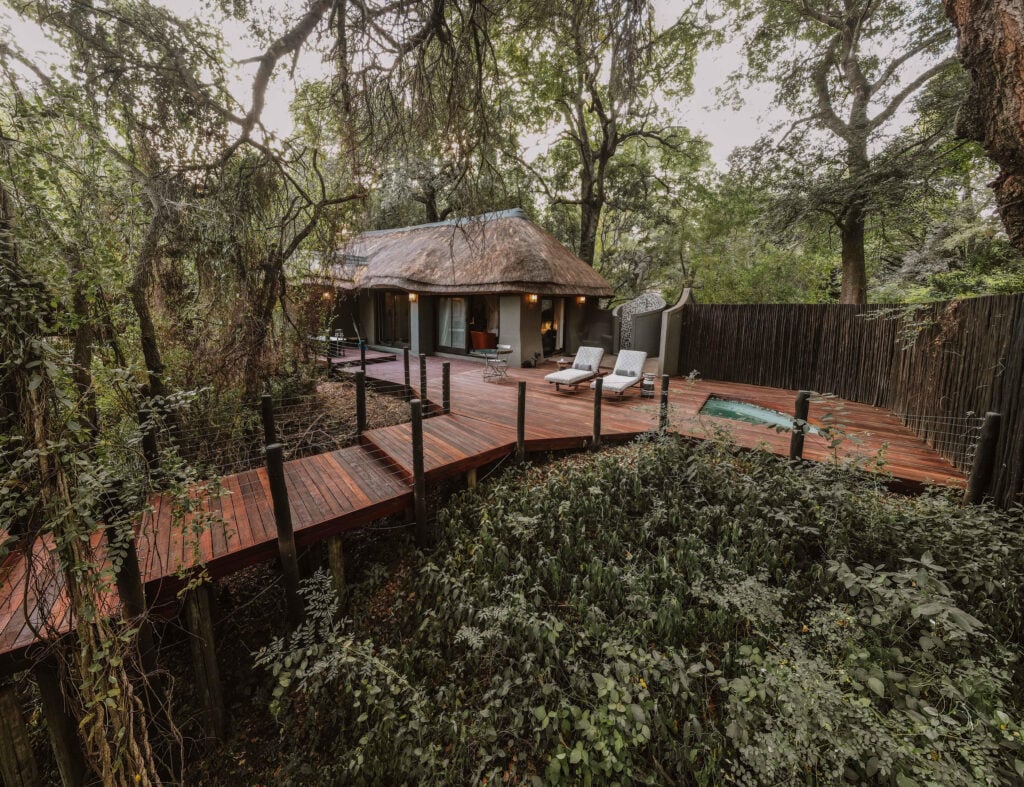
- Safari reserves are remote, private, gated properties with security infrastructure. Crime against tourists at private game lodges is extremely rare.
- Tourist areas of Cape Town (Waterfront, Gardens, Sea Point, the Winelands) are well-policed and generally safe for tourists who exercise standard urban awareness.
- O.R. Tambo International Airport is a modern, secure facility. Avoid displaying valuables in airport car parks; use official taxis or pre-booked transfers.
- Johannesburg city centre is not recommended for tourists on foot. Stay in Sandton, Rosebank, or Melrose Arch for any Johannesburg overnight before or after safari.
Is It Safe to Self-Drive Between Safari Destinations?
Self-driving between Johannesburg and Kruger’s southern gates (the N4 via Nelspruit) is a well-established, standard tourist route with excellent roads, petrol stations, and signage. Drive in daylight hours, keep doors locked in slow traffic through towns, and do not stop for strangers on the road. Most international visitors self-drive this route without incident.
For Cape Town-based itineraries, the Garden Route (N2) and the route to Addo Elephant National Park are similarly safe and well-established tourist roads.
Health Precautions Beyond Malaria
- Sun: the African sun is intense year-round; broad-spectrum sunscreen, wide-brimmed hat, and UV protective clothing are essential
- Hydration: drink more water than you think you need on game drives
- Vaccinations: no specific vaccinations are legally required for South Africa (yellow fever certificate required only if arriving from a yellow fever endemic country). Routine vaccines (hepatitis A, typhoid) are recommended by most travel physicians.
- Water: tap water is safe to drink in South Africa’s cities and safari lodges
- Medical facilities: Cape Town and Johannesburg have world-class private hospitals. Remote safari areas are far from hospital facilities — travel insurance with emergency evacuation cover is strongly recommended.
Travel Insurance: Is It Necessary?
Yes — travel insurance with emergency medical evacuation cover is strongly recommended for any South Africa safari. Remote bush locations can be 2+ hours from the nearest hospital; air evacuation (via dedicated medevac operators like AMS or ER24) is the standard emergency response. Most reputable safari lodges require guests to hold valid travel insurance.
Frequently Asked Questions
Is it safe to fly into Johannesburg for a safari?
Yes. O.R. Tambo International Airport is a safe, modern facility. Pre-book your airport transfer (your safari operator or lodge will arrange this); avoid unlicensed taxis.
Can children do a South Africa safari safely?
Yes — South Africa is one of the best safari destinations for families. Malaria-free reserves (Madikwe, Pilanesberg, Eastern Cape) remove the primary health concern for children. Private lodge rangers are experienced at hosting children and most lodges offer family-specific programming.
Is solo travel in South Africa safe?
Solo safari travel is safe within the safari circuit. Standard urban safety awareness applies in Johannesburg and Cape Town. Joining a small group departure or choosing a lodge with other guests is advisable for solo travellers who prefer company.
Plan Your South Africa Safari
African Safari Group designs private South Africa safari itineraries with full attention to safety, logistics, and health requirements — from malaria-free reserve options to seamless airport transfers and emergency evacuation coverage guidance.
Enquire Now to plan your South Africa safari.