
How Long Should a Safari Be? The Expert Planning Guide
How long should a safari be? It is one of the most common questions in safari planning and one where the internet’s generic answers — “at least three nights” or “a week is ideal” — obscure what actually makes the difference between a meaningful safari experience and an expensive game drive. The honest answer depends on what you want from the experience, how many destinations you are combining, and how you personally relate to a landscape that takes several days to begin reading properly.
How Long Should a Safari Be? The Minimum Is Three Nights
Three nights in a single private reserve is the minimum for a first-time visitor to feel that they have actually been on a safari rather than done a game drive. The structure of a three-night stay looks like this:
Day 1: Arrival afternoon, often in time for the afternoon game drive. First impressions — the reserve scale, the landscape, the vehicle and guide. One game drive, probably producing several sightings, possibly something remarkable, possibly routine.
Day 2: Two full game drives. This is typically the day when the safari proper begins — you know your guide, you have begun to understand the reserve’s geography, and you are no longer experiencing everything as new sensory information. The sightings accumulate.
Day 3: Two full game drives. The morning drive on day three is often the best — the accumulated knowledge of the reserve’s wildlife movements, your guide’s growing understanding of your specific interests, and the particular quality of familiarity that makes each sighting more contextually legible than the first day’s equivalent.
Departure Day (Day 4): One morning drive before checkout. Often produces the trip’s best sighting — there is something about the last morning that safari regulars note consistently, though it may be confirmation bias rather than genuine wildlife scheduling.
Three nights works. It does not give you the depth of the reserve that four or five nights provides, but it delivers a genuine safari experience.
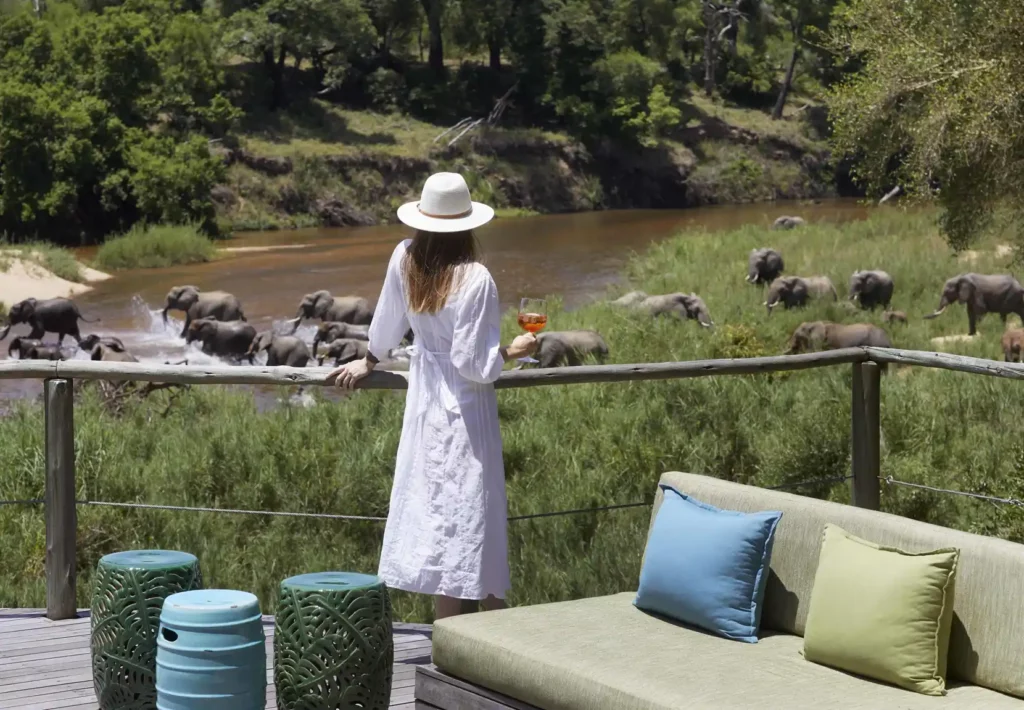
The Sweet Spot: Four to Five Nights
Four nights at a single reserve is the recommendation for most travellers — particularly first-time visitors. It gives the safari room to breathe: days of moderate sightings followed by exceptional ones, the slow accumulation of a narrative about the reserve’s specific animals (the pride with three cubs, the adult male leopard whose territory covers the riverbed, the elephant matriarch who visits the waterhole every late afternoon), and enough time to do a walking safari in addition to the vehicle drives.
Five nights is better still for travellers who find reserves more compelling the longer they stay — which is most of them. The fifth morning’s game drive is qualitatively different from the first: you are reading the landscape rather than simply looking at it.
The Trade-Off: Depth vs Breadth
The temptation for first-time Africa visitors is to pack as many destinations as possible into the available time. This produces an itinerary that is technically impressive — six countries, four reserves, two ocean beaches — and experientially thin. A safari needs time to deliver its depth; the accumulation of sightings, the growing relationship with a specific landscape, and the particular satisfaction of seeing the same lion pride twice in three days and recognising the individuals are all products of staying rather than moving.
Two or three destinations in a first Africa trip is the maximum for a meaningful experience. Two nights at each destination — the logistics and travel time required to connect multiple remote bush locations — are not enough for any of them to land properly.
Duration by Trip Type
First Africa safari: 4–5 nights at a single reserve, optionally combined with 3 nights on the coast. One reserve, done properly.
Experienced safari traveller: 3 nights at one reserve, 3 nights at a second, optional 3 nights at a third if a specific wildlife objective (the Migration, a second country’s wildlife profile) justifies the additional transfers.
Family with young children: 4 nights at a single family-focused lodge (Hlosi at Amakhala, Riverdene at Shamwari). Children benefit from the accumulated familiarity of a single reserve’s routine; moving between destinations adds logistics that add parental stress without adding proportional wildlife value.
Honeymoon: 4–5 nights. The romance of a honeymoon safari is partly in the luxury of staying long enough that the reserve becomes intimate territory rather than a tourist attraction. Do not rush it.
Business trip extension: If adding a safari to a South Africa business trip, three nights is the realistic minimum. The drive from Johannesburg to Pilanesberg (three hours) or the flight to Gqeberha for the Eastern Cape (1h15) makes a three-night addition practical without a major itinerary restructure.
What a Longer Safari Is Not
A longer stay at a single reserve does not guarantee a proportionally more dramatic wildlife experience. Safaris are not linear in wildlife-experience delivery. Some four-day safaris produce every species on the reserve’s list by the second afternoon; some seven-night safaris never find leopard. The value of additional nights is in depth of experience, not guaranteed sightings of the Big Five or additional species.
If you have eight nights available and the choice is eight nights in a single reserve or four nights in two different reserves, the answer depends on whether the second reserve offers a materially different wildlife or landscape experience (yes: do both; no: stay longer at the better option).
For most travellers wondering how long a safari should be, four to five nights provides the best balance.
Plan the Right-Length Safari
African Safari Group will help you match your available time to the right itinerary structure — whether that is one reserve done properly, two reserves combined intelligently, or a safari-beach combination that uses every day well.