
Best Time for Safari in South Africa: Month-by-Month Guide
The best time for safari in South Africa is one of the most commonly asked — and most incompletely answered — questions in safari planning. “When is the best time to go?” depends on which reserve, which wildlife experience, and — crucially — which traveller. The honest answer requires more precision than “dry season is best” (true but incomplete) or “any time of year is good” (technically true, practically useless). This month-by-month guide explains the best time for safari in South Africa, with specific guidance for each major safari region.
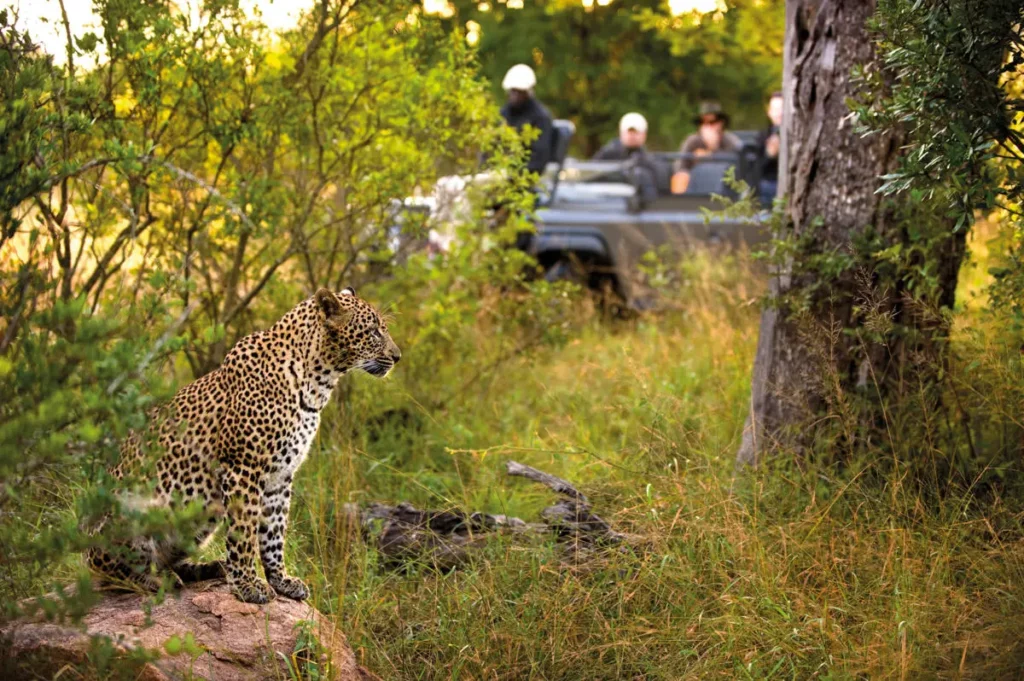
The Two Seasons
South Africa’s safari rhythm turns on two seasons:
Dry season (April/May–September/October): Vegetation thins as grasses die back and trees lose leaves. Wildlife concentrates at permanent water sources — rivers, dams, and lodge waterholes. Game visibility peaks during the dry season, making it ideal for travellers hoping to maximise their chances of seeing the Big Five. Mornings and evenings are cold (below 5°C in the Lowveld in June–July); days are warm and clear. This is the traditional “prime safari season” and accommodation rates reflect it.
Wet season (October/November–March/April): Summer rains bring lush vegetation that screens wildlife, particularly in the dense Lowveld thornbush. Temperatures rise significantly in the Lowveld (40°C+ in January). Migrant birds arrive. Newborns appear across all prey species. Lower rates outside school holidays.
Best Time for Safari in South Africa: Month-by-Month Guide
January
Lowveld: Hot, wet, dense vegetation. Game is present but harder to find through the green growth. Malaria risk at its highest. Newborns — lion cubs, elephant calves, impala fawns — are visible across prey species. South African school holidays create demand at family lodges.
Eastern Cape: Warm and occasionally rainy but more moderate than the Lowveld. Good year-round game viewing. Busy with domestic school holiday traffic.
Best for: Birdlife (migrants at peak), newborn wildlife, lower-cost Lowveld breaks for flexible travellers.
February
Lowveld: Continues wet and hot. Dense vegetation. Rains typically begin easing.
Best for: Serious birders targeting summer migrants. Budget Lowveld stays.
March
Lowveld: Rains beginning to ease. Still warm. Vegetation starting to thin in some areas.
Eastern Cape: Late summer — pleasant, transitioning toward dry conditions.
Best for: Shoulder season value at most reserves.
April
The transition month. Rains end, vegetation begins drying. Wildlife starts concentrating at water. Game visibility improving noticeably. Temperatures dropping to more comfortable levels.
Best for: Good value with improving game conditions. Easter often falls in April — book well ahead.
May
Prime season beginning. Dry conditions established. Vegetation thinning. Game moving to permanent water. Temperatures are comfortable — warm days, cool evenings.
All regions: Strong game viewing across South Africa. Start of peak season pricing.
Best for: First-time visitors who want reliable wildlife without peak-season crowds. Outstanding for the Eastern Cape.
June
Peak dry season. Excellent game viewing in all major reserves. Vegetation sparse; waterholes busy. Cold nights (Eastern Cape can drop to 2–4°C; Lowveld similarly cold before dawn).
Best for: The definitive South African safari season. Game drives in clear morning light with animals concentrated at water. Pack warmly — the cold before dawn on an open vehicle is significant.
July
Peak season. All conditions the same as June. South African school holidays increase lodge bookings at family-friendly properties. Winter in the Lowveld at its most pronounced — cold mornings, warm afternoons, crystal-clear skies.
Best for: Wildlife photography (clear light, sparse vegetation). The best month for most safari purposes. Book 6–12 months ahead.
August
Late peak season. Dry conditions continuing. Vegetation at its sparsest. Waterholes at their most productive — large concentrations of game coming to drink throughout the day. Hot afternoons beginning to build as spring approaches.
Best for: Waterhole-focused game viewing. Hippo, crocodile, and large mammals visible throughout the day at water. Exceptional for elephant herds in the Eastern Cape and Addo.
September
Spring shoulder. Transitional month — conditions still dry, first spring flowers appearing. Game viewing excellent but weather warming significantly (35–38°C in the Lowveld). First rains possible at the end of the month in the Lowveld.
Best for: Strong wildlife value as peak season pricing begins to ease. Good conditions before the rains.
October
Spring. First summer rains possible in the Lowveld. Migratory birds beginning to arrive. Vegetation starting to green. Game more dispersed as water becomes more widely available. Hot.
South African school holidays create demand peaks at family lodges.
Best for: Birders (migrants arriving), lower-priced Lowveld stays ahead of the Christmas peak.
November
Early summer. Rains establishing in the Lowveld. Dense vegetation building. Wildlife present but harder to find. Temperatures high.
Best for: Green season photography, significantly lower rates, uncrowded lodges.
December
Summer peak. South African school holidays drive demand to annual highs at Eastern Cape and family lodges. Newborns across all prey species. Hot, rainy Lowveld. Eastern Cape’s green season.
Best for: Families who want school holiday timing; Eastern Cape in green season with lower rates (outside school holiday peaks). Lowveld is hot and wet — for birding, not optimal Big Five.
Summary Recommendation by Priority
Best wildlife viewing: June–August (dry season peak)
Best value: March–April and October–November (shoulder seasons)
Best for families: June–July or December (school holidays) — book early
Best for birding: November–February (summer migrants present)
Best for photography: June–August (clear light, sparse vegetation, animals at water)
Plan Around the Right Season
African Safari Group’s specialists can advise on the best timing for your specific wildlife priorities, budget, and travel dates — and will tell you honestly if your preferred dates are a poor match for the experience you want.