
Best Safari Destination by Wildlife Goal: Leopard, Wild Dog, Migration and More
Which African Safari Destination Is Best — Depends Entirely on What You Want to See
There is no single “best” safari destination in Africa — but there is a best destination for every wildlife goal. The Sabi Sands is the undisputed leader for habituated leopard; Botswana’s Okavango Delta and Linyanti are Africa’s best for wild dog; the Serengeti and Masai Mara are unmatched for the wildebeest migration. This guide matches the right destination to the species or experience that matters most to you.
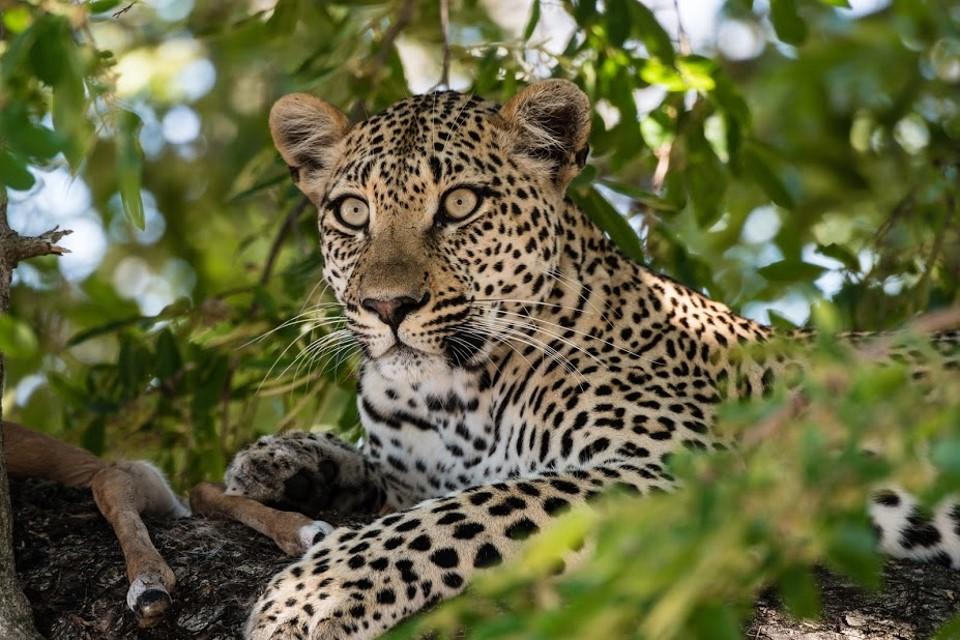
Best for Leopard: Sabi Sands, South Africa
Why: 50+ years of systematic leopard habituation across 65,000 hectares. Rangers at Londolozi, Singita, and MalaMala track individual animals across four generations of family lines. Sighting rates for stays of 3+ nights exceed 90% at the best lodges. No other reserve on Earth has replicated this depth of habituation at scale.
Best lodges: Londolozi Founders Camp, Singita Boulders, MalaMala Main Camp, Dulini River Lodge.
Best time: Year-round; dry season (June–September) for thinner vegetation and more reliable locations.
Best for Wild Dog: Botswana (Linyanti/Kwedi, Okavango Delta)
Why: Botswana’s low-density tourism model and vast unfenced wilderness support the most significant African wild dog meta-population outside Zimbabwe. The Linyanti ecosystem (DumaTau, King’s Pool) and Okavango concessions (Chitabe, Vumbura, Little Vumbura) have documented reliable packs with known denning sites. Wild dog sighting rates at peak times are among the highest in Africa.
Best lodges: andBeyond DumaTau (Linyanti), Wilderness Safaris Chitabe (Okavango), Natural Selection Linyanti Bush Camp.
Best time: May–October; denning season (May–July) for extended pack sightings.
Honourable mention: Madikwe Game Reserve (South Africa) and Timbavati Private Nature Reserve for guests wanting malaria-free or more accessible wild dog experiences.
Best for the Wildebeest Migration: Masai Mara, Kenya / Northern Serengeti, Tanzania
Why: 1.5 million wildebeest, 400,000 zebra, and 200,000 Thomson’s gazelle complete an annual 800-kilometre circuit through the Serengeti-Mara ecosystem. The Mara River crossings (July–October) — where columns of wildebeest plunge past waiting crocodiles — are the most spectacular wildlife event on Earth.
Best for river crossings: Northern Serengeti (Tanzania) or Masai Mara (Kenya) — the crossing points straddle the border.
Best lodges: Singita Mara River Tented Camp, andBeyond Bateleur Camp, Angama Mara, Mahali Mzuri.
Best time: July–October for river crossings; January–March in southern Serengeti for calving season.
Best for Elephant: Chobe National Park, Botswana
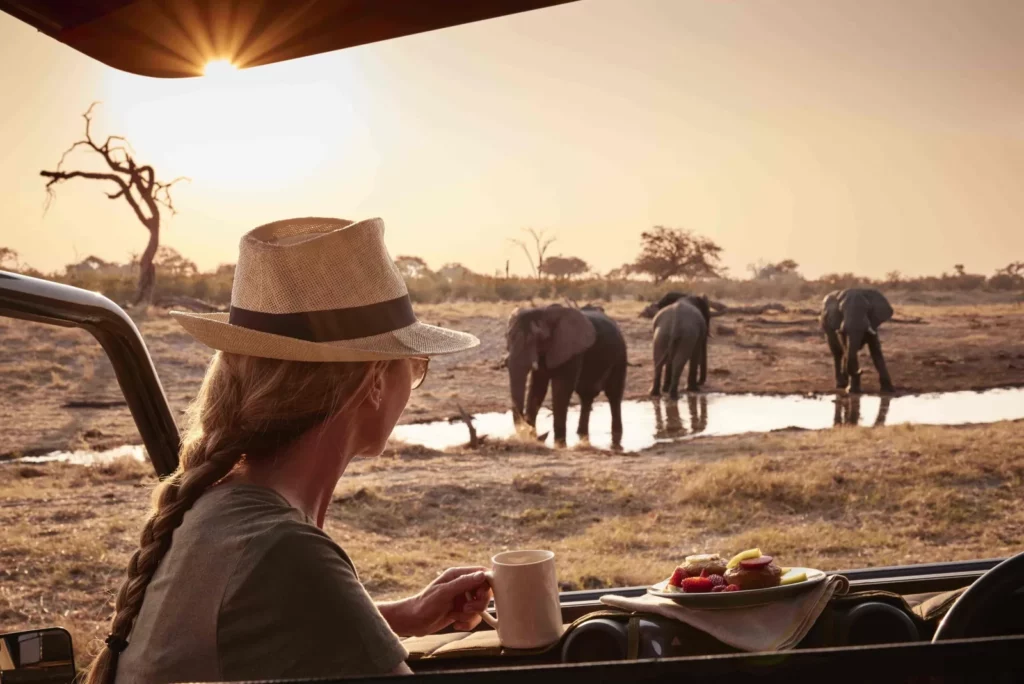
Why: Botswana’s northern parks hold approximately 130,000 elephants — the largest elephant population on Earth — and Chobe National Park’s riverfront concentrates them in staggering numbers during the dry season. Herds of several hundred animals gather daily at the Chobe River; boat safaris provide close-range photography from water level.
Best lodges: Chobe Game Lodge (only lodge inside the park), Belmond Savute Elephant Lodge.
Best time: June–October for Chobe Riverfront; year-round for Savute.
Honourable mention: Addo Elephant National Park (South Africa) for the world’s highest elephant density per hectare in a malaria-free setting.
Best for Lion: Serengeti, Tanzania
Why: The Serengeti ecosystem holds the largest lion population in Africa — approximately 3,000 individuals across the ecosystem. The combination of open plains, year-round prey, and the migration’s seasonal abundance creates ideal conditions for large pride formations and active hunting behaviour.
Honourable mentions: Sabi Sands (for most intimate lion encounters), Kruger National Park (for sheer volume across a massive area), Hwange National Park Zimbabwe.
Best for Cheetah: Serengeti / Masai Mara
Why: The open short-grass plains of the Serengeti and Masai Mara are ideal cheetah habitat — flat, open, and full of the Thomson’s gazelle that form the core of the cheetah’s diet. Cheetah are easily spotted in open country and hunts are frequently observed. No other ecosystem reliably delivers cheetah in the same numbers or in such viewable conditions.
Honourable mention: Phinda Private Game Reserve (South Africa) for malaria-low cheetah encounters in a spectacular KwaZulu-Natal setting.
Best for White Rhino: Hluhluwe-iMfolozi Park, South Africa
Why: Hluhluwe-iMfolozi is where white rhino were saved from extinction (Operation Rhino, 1960s) and now holds the world’s largest single concentration — approximately 1,600–2,000 animals. Sightings are near-guaranteed on any game drive in the iMfolozi section.
Best for Black Rhino: Etosha National Park, Namibia
Why: Etosha’s waterhole-based game viewing concentrates black rhino reliably at floodlit waterholes after dark — one of the few settings where this critically endangered, largely nocturnal species can be observed with reasonable consistency.
Best for Mountain Gorilla: Bwindi, Uganda / Volcanoes NP, Rwanda
Why: The only place in the world where mountain gorilla trekking is possible; Rwanda’s accessibility and infrastructure makes it the premium choice; Uganda offers more trekking options and slightly lower permit costs.
Plan Your Safari Around Your Wildlife Priority
African Safari Group specialises in matching guests to the right destination for their specific wildlife goals — whether that is a single species focus or a multi-country circuit that captures multiple wildlife highlights. We have direct relationships with the best lodges across all of the destinations listed above.
Enquire Now to plan your wildlife-focused safari.