
African Big 7 Explained: Beyond the Big 5
What Are the Big 7 in Africa?
The African Big 7 is an expanded wildlife checklist that adds two iconic marine species to the classic Big 5 (lion, leopard, elephant, rhinoceros, Cape buffalo). The Big 7 comprises: lion, leopard, elephant, rhinoceros, Cape buffalo, southern right whale, and great white shark. The Big 7 concept is particularly associated with South Africa’s Eastern Cape, where travellers can combine Big Five game viewing with marine experiences along the coast.
What Are the Original Big 5 and Where Do They Come From?
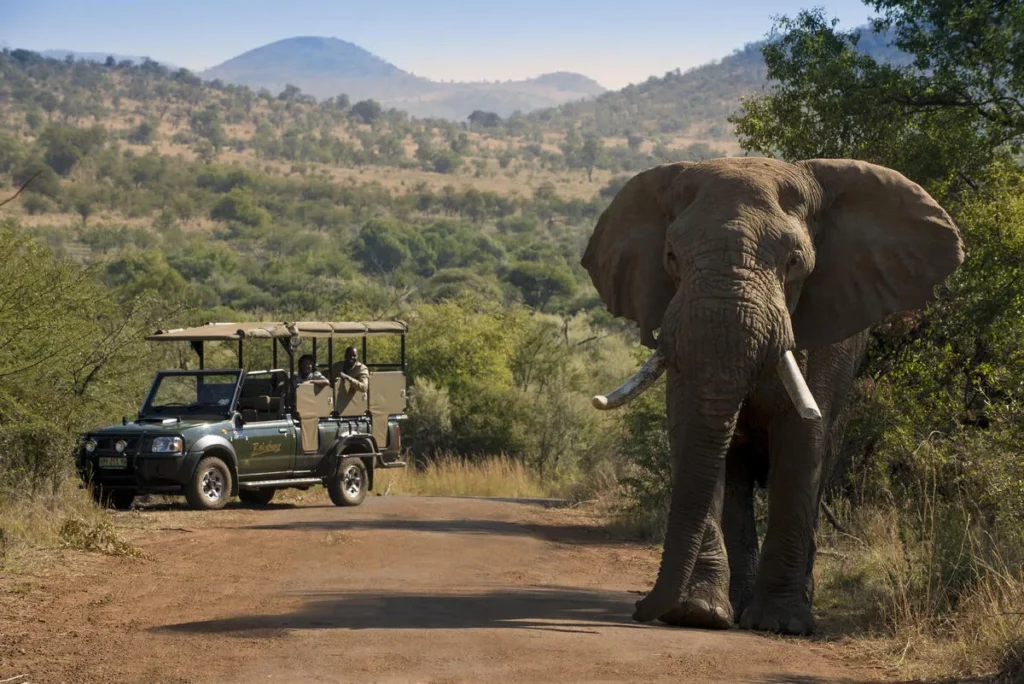
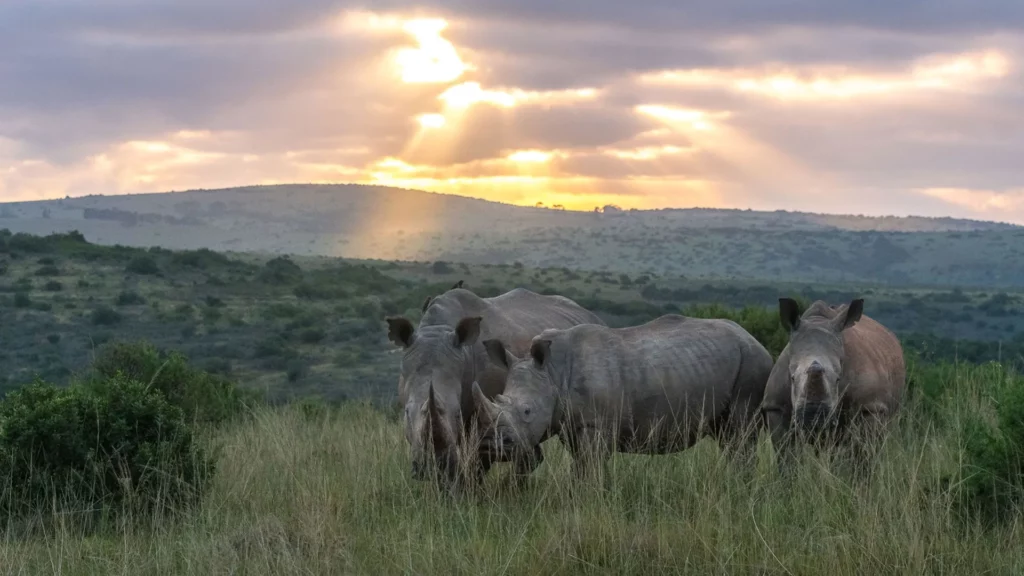
The Big 5 — lion, leopard, elephant, rhinoceros, and Cape buffalo — were originally identified by big game hunters as the five most dangerous and difficult animals to hunt on foot in Africa. Today, the Big 5 are the most sought-after wildlife sightings on safari. South Africa’s private game reserves (Sabi Sands, Timbavati, Madikwe) and national parks (Kruger), as well as Kenya’s Masai Mara, Tanzania’s Serengeti, and Botswana’s Okavango Delta, offer excellent Big 5 safari experiences.
Where Can You See the Southern Right Whale?
Southern right whales visit South Africa’s coastline between June and December to breed and calve in the warm, sheltered bays of the Western and Eastern Cape. Hermanus (Western Cape) is widely regarded as the world’s best land-based whale watching destination — whales breach, lob-tail, and spy-hop in Walker Bay just metres from the clifftop viewing sites. The De Hoop Nature Reserve (Eastern Cape) and Addo Elephant Park’s marine section are also important calving grounds. A whale crier at Hermanus sounds a horn from the cliff path when whales are sighted.
Where Can You See Great White Sharks in South Africa?
South Africa has long been associated with great white sharks, particularly along the Western Cape coastline around False Bay and Gansbaai. Shark sightings and distribution can vary significantly, however, and encounters with great whites cannot be guaranteed. Responsible marine operators offer shark-viewing experiences in several coastal areas, with current conditions and recent sightings determining the best locations.
The Big 7 Safari Itinerary
A Big 7 itinerary typically combines: 3–5 nights at a game reserve in Addo Elephant National Park or a private Eastern Cape reserve (Big 5); a whale watching excursion from Addo’s coastal section or a day trip to the Eastern Cape coast (southern right whale, June–December); and either a Cape Town add-on with a Gansbaai cage diving day trip (great white shark) or a guided marine excursion from Port Elizabeth. The Eastern Cape is South Africa’s most underrated safari destination and the only place in the world offering all 7 species in genuine proximity.
What Is the Sardine Run?
The annual sardine run (June–July) along KwaZulu-Natal’s Wild Coast is sometimes called the Big 6 or the “Greatest Shoal on Earth” — billions of sardines migrate northward along the coast, triggering a feeding frenzy involving dolphins, sharks, game fish, and diving gannets. While not part of the Big 7 designation, the sardine run is one of Africa’s most extraordinary marine events and can be combined with an iSimangaliso Wetland Park or Hluhluwe safari.
Enquire Now to design a Big 7 safari itinerary in the Eastern Cape or a Cape Town marine add-on to your South Africa safari.