
Walking Safari Guide: What to Expect on a Guided Bush Walk
What Is a Walking Safari?
A walking safari is a guided experience on foot that explores Africa’s wildlife and landscapes. Led by qualified guides, it offers time to examine animal tracks, identify birds, discover plants and notice smaller species often overlooked on game drives. In areas with dangerous wildlife, walks follow specific safety procedures and commonly involve armed guides.
Is a Walking Safari Safe?
Walking safaris involve being on foot in a wild environment, so they are not risk-free. Qualified guides manage these risks through route planning, awareness of animal behaviour and clear safety briefings. In Kruger, guided walks are accompanied by two armed field guides. Follow your guide’s instructions, remain with the group and never approach wildlife independently.
What Will You See on a Walking Safari?
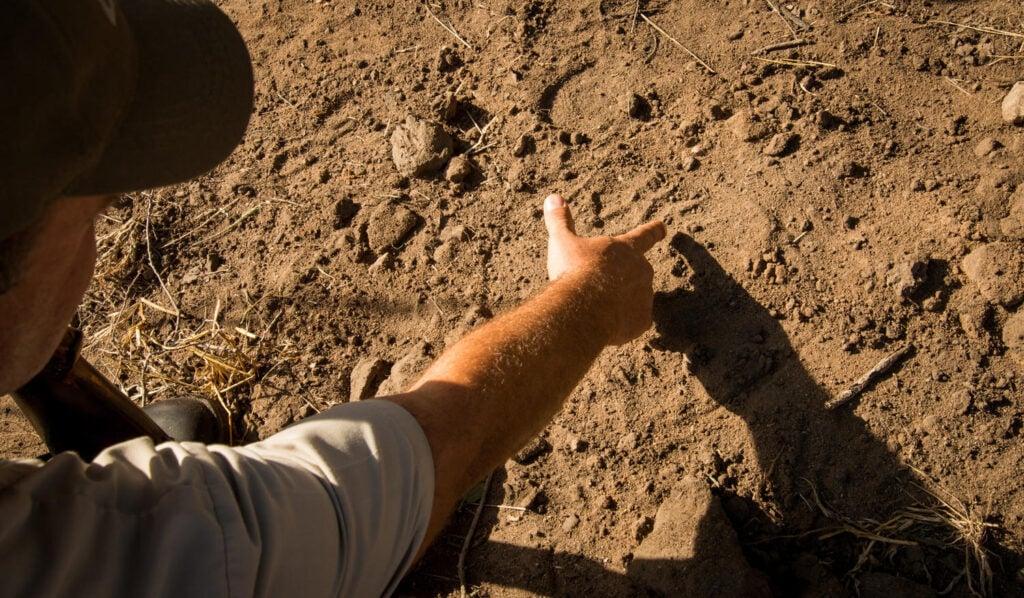
Walking safaris give you time to explore details that are easily overlooked on a game drive. Your guide may show you how to judge the freshness of animal tracks, explain how dung beetles navigate, identify trees by their bark and leaves, and describe the traditional uses of local plants. Insects, birds and smaller reptiles reveal how the ecosystem works. Depending on the reserve, you may also see elephant, buffalo, rhino or lion on foot. Guides assess animal behaviour and maintain appropriate distances, with safety taking priority over approaching a sighting.
Best Destinations for Walking Safaris in Africa
Kruger National Park, South Africa: Kruger’s wilderness trails, including Wolhuter, Olifants, Metsi-Metsi and Sweni, offer three-night experiences for a maximum of eight guests, with guided walks from dedicated wilderness camps. Book well ahead, particularly for popular travel dates. Selected lodges in Greater Kruger reserves, including Timbavati and Manyeleti, also offer guided bush walks, subject to lodge arrangements and conditions.
South Luangwa, Zambia: Zambia is the spiritual home of the walking safari — Norman Carr pioneered the concept here in the 1950s. South Luangwa remains one of Africa’s premier walking destinations, with specialist camps offering multi-day fly-camping along the Luangwa River.
Mana Pools, Zimbabwe: The only African national park where you can walk unguided (experienced bushmen only). Guided walking with specialist operators is extraordinary.
Okavango Delta, Botswana: Walking in the Okavango — moving through dry channels surrounded by water — is a uniquely surreal bush experience, complementing the classic mokoro (dugout canoe) activity.
Morning Bush Walk vs Wilderness Trail
A morning bush walk is a 2–3 hour guided walk from your lodge alongside normal game drives — introductory and returning to camp for breakfast. A wilderness trail is an immersive multi-day experience (3–4 days) sleeping in fly-camps in the wilderness, all meals around a campfire, all transport on foot. Wilderness trails are demanding but genuinely transformative.
Who Is a Walking Safari Suitable For?
Morning bush walks suit most adults with reasonable fitness. Distances are typically 2–8 km at a gentle pace. Wilderness trails require good fitness over varied terrain. Most operators set a minimum age of 16 for walking activities.
Enquire Now to add a walking safari to your Africa itinerary — we work with the best walking guides and wilderness trail operators across Southern and East Africa.